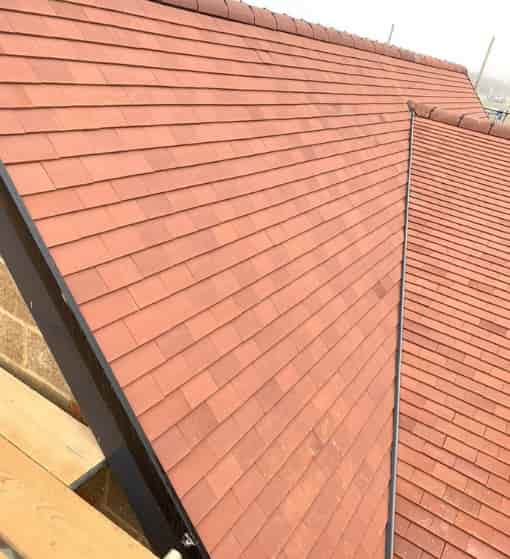
Every roof experiences gradual wear. Years of exposure to rain, wind, temperature changes and general weathering will eventually affect tiles, slates, mortar, flashing and the materials beneath the visible roof covering. A certain amount of deterioration is therefore expected and can often be managed through routine maintenance and targeted repairs.
The more important question is when normal wear has progressed far enough that repairing individual defects is no longer the most appropriate approach. For homeowners in Ashford, Kent, recognising this transition can help prevent persistent leaks, repeated repairs and deterioration of the underlying roof structure.
At Ashford Roofing Services, we assess the condition of the entire roofing system before determining whether repairs remain appropriate or whether replacement should be considered.
General Roof Wear Is Not Automatically a Replacement Problem
An older or weathered-looking roof does not necessarily need replacing.
If the main structure remains sound and deterioration is confined to a small number of components, professional repairs may be sufficient to keep the roof performing effectively.
Examples of manageable wear can include:
- A small number of cracked or slipped tiles
- Localised mortar deterioration
- Minor flashing defects
- Isolated areas affected by weather exposure
- Individual components requiring maintenance
The condition of the roof as a whole is more important than one isolated defect.
When Does Wear Become More Significant?
Replacement becomes a more realistic consideration when deterioration is no longer confined to individual areas.
Widespread Tile or Slate Deterioration
Replacing an occasional damaged tile is a normal part of roof maintenance. However, when tiles or slates are deteriorating across multiple sections, individual repairs can become less effective.
Signs may include:
- Numerous cracked tiles
- Brittle or fragile roofing materials
- Repeated tile movement
- Widespread surface deterioration
- Multiple missing or damaged sections
When the roof covering is declining generally rather than locally, the overall condition needs to be assessed.
Recurring Leaks Can Indicate Wider Failure
A single roof leak does not necessarily mean replacement is required. Many leaks originate from a specific defect that can be repaired successfully.
The situation becomes different when leaks repeatedly return or begin appearing in different locations.
Why Repeated Leaks Matter
Recurring water ingress can suggest that several components are reaching the end of their effective service life.
Instead of one clear entry point, water may be penetrating through:
- Deteriorated roof coverings
- Ageing underlay
- Failing flashing
- Worn roof junctions
- Multiple vulnerable areas
Continually repairing individual symptoms may become less practical if the wider roofing system is deteriorating.
The Condition Beneath the Tiles Matters
The visible roof covering is only one part of the system.
Beneath tiles or slates are components such as battens, underlay and structural timbers. These materials also deteriorate, particularly where moisture has been entering over an extended period.
Hidden Deterioration Can Change the Decision
A roof may initially appear to require straightforward repairs, but closer inspection could reveal:
- Deteriorated underlay
- Damaged battens
- Moisture affecting roof timbers
- Weak or deteriorated fixing points
- Evidence of long-term water penetration
When problems extend beneath the roof covering, more comprehensive work may become necessary.
Structural Changes Should Always Be Investigated
A healthy roof should maintain a reasonably consistent profile.
Visible dips, sagging sections or changes to the roofline can indicate that deterioration has progressed beyond normal surface wear.
Possible causes include weakened timbers, prolonged moisture exposure or movement within the supporting structure.
Structural symptoms require professional assessment because replacing individual tiles will not resolve a problem originating underneath them.
Frequent Repairs Can Be an Important Warning Sign
The repair history of a roof can reveal a great deal about its overall condition.
An isolated repair every so often is not unusual. However, if different parts of the roof continually require attention, it may indicate that the materials are deteriorating at a similar rate.
Consider the Pattern of Problems
Questions worth asking include:
- Are repairs becoming more frequent?
- Are new leaks appearing in different locations?
- Are increasing numbers of tiles becoming damaged?
- Are previously repaired areas developing problems again?
- Is deterioration becoming visible across larger sections?
A pattern of recurring defects can indicate that the roof is moving from repairable localised wear towards general failure.
Age Should Be Considered Alongside Condition
There is no single age at which every roof automatically requires replacement.
Different roofing materials, installation standards, maintenance histories and levels of exposure all affect how a roof ages.
For this reason, age should be considered alongside its physical condition.
An older roof that remains structurally sound and largely weather-resistant may still respond well to maintenance. Conversely, a roof displaying widespread deterioration may require more substantial attention regardless of its age.
Flashing, Valleys and Roof Junctions Can Reveal Wider Wear
Some parts of a roof experience greater exposure than others.
Valleys, flashing, roof edges and junctions are particularly important because they help manage water and protect vulnerable transitions between roofing components.
When deterioration begins affecting several of these areas simultaneously, it can indicate that the roofing system is ageing more generally.
A professional assessment can determine whether these components can be repaired individually or whether their condition forms part of a wider replacement issue.
When Repairs May Still Be the Better Approach
Roof replacement should not be assumed simply because deterioration is visible.
Targeted repairs can remain appropriate when:
- Damage is confined to a clearly defined area
- Most roofing materials remain serviceable
- The underlying structure is sound
- Water ingress has an identifiable local cause
- Surrounding roof sections remain in good condition
A professional roofer should establish the cause and extent of deterioration before recommending the appropriate solution.
When Replacement Becomes the More Practical Solution
Replacement is more likely to be considered when several forms of deterioration occur together.
Indicators Can Include:
- Widespread roofing material failure
- Persistent leaks across different areas
- Extensive deterioration beneath the covering
- Structural weakness or roofline movement
- Repeated repair requirements
- Multiple ageing components failing simultaneously
At this stage, addressing isolated defects may no longer restore dependable performance across the whole roof.
Why a Professional Roof Assessment Is Important
Deciding between repair and replacement based solely on what can be seen from ground level can be misleading.
A professional assessment considers how the entire roof is performing rather than concentrating on one visible defect.
A Thorough Assessment Should Consider:
- Overall tile or slate condition
- Flashing and vulnerable junctions
- Roof edges and ridge areas
- Underlying materials
- Signs of previous water ingress
- Structural stability
- Previous repair areas
- The distribution of deterioration across the roof
This provides a much clearer basis for deciding whether maintenance, repair or replacement is appropriate.
Avoiding the Cycle of Repeated Repairs
One of the clearest indications that general wear has become a wider problem is when repairs stop delivering lasting results.
Repairing a sound roof with an isolated defect makes sense. Continually repairing different sections of a roofing system that is deteriorating throughout is a different situation.
The objective should always be to address the actual condition of the roof rather than repeatedly treating individual symptoms.
Professional Roofing Services in Ashford
For homeowners in Ashford, Kent, understanding whether an ageing roof requires repair or replacement begins with an accurate assessment.
At Ashford Roofing Services, we examine roofing problems carefully and consider both visible deterioration and the wider condition of the roofing system. This allows us to recommend an appropriate solution based on what the roof actually requires.
Our focus is on dependable workmanship and practical roofing solutions that support the long-term protection of the property.
Conclusion
General roof wear becomes a potential replacement issue when deterioration changes from isolated and manageable defects to widespread problems affecting the overall roofing system.
Recurring leaks, extensive tile or slate deterioration, failing underlay, structural movement and increasingly frequent repairs can all indicate that localised work is becoming less effective.
However, visible ageing alone does not automatically mean that a new roof is required. The most reliable way to determine the correct approach is through a professional assessment of the roof’s overall condition.
If your roof in Ashford, Kent is showing increasing signs of wear, Ashford Roofing Services can inspect the problem and provide practical guidance on whether targeted repairs remain suitable or more comprehensive roofing work should be considered.
Call us on: 01233 542397
Click here to find out more about Ashford Roofing Services
Click here to complete our contact form and see how we can help with your roofing needs.