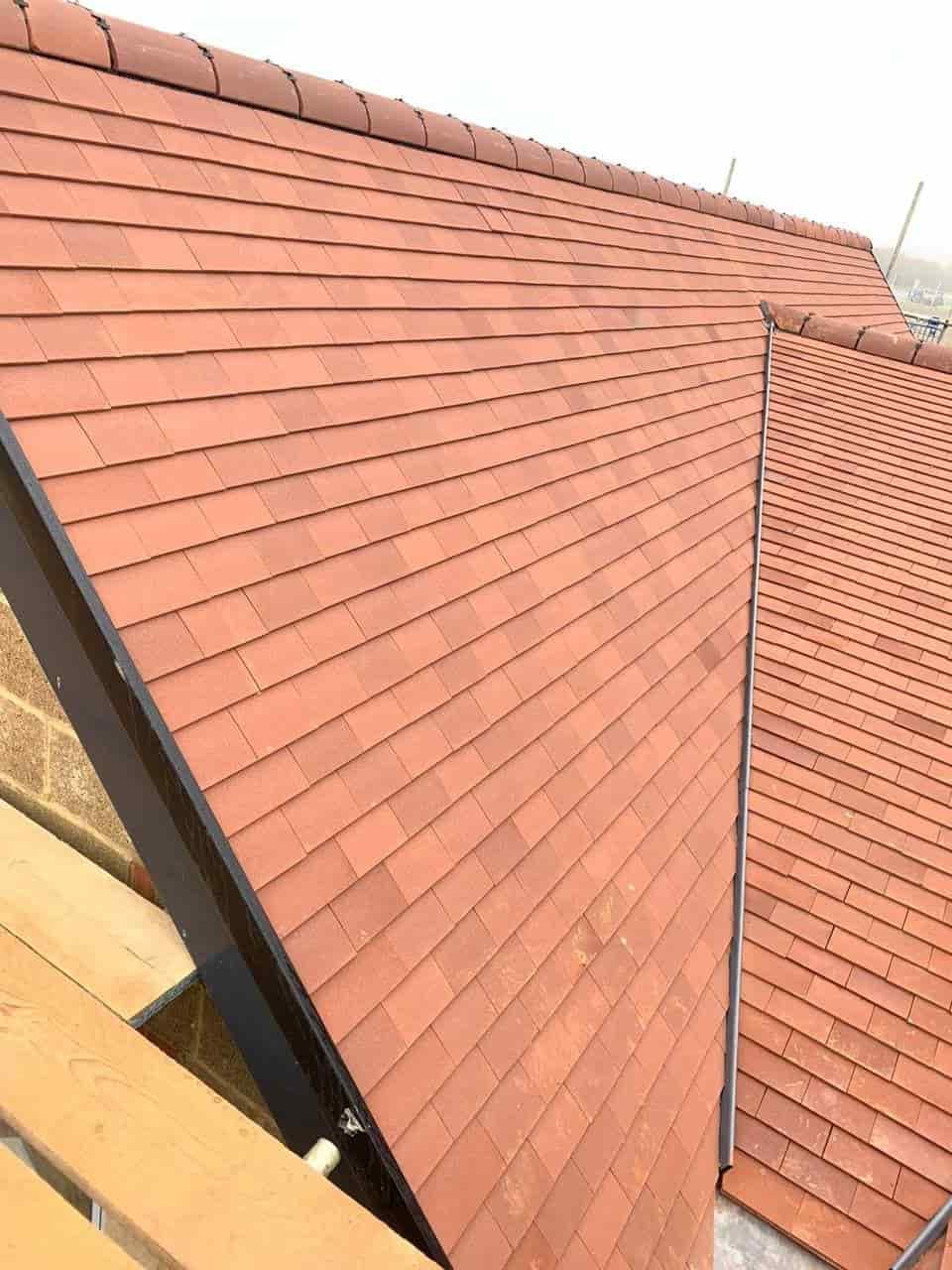
Leadwork is one of the most critical components of a well-performing roof. It is designed to manage water where different materials meet, such as around chimneys, roof junctions, valleys, and abutments. When leadwork is properly installed and maintained, it provides long-lasting protection. When it is neglected, however, it can quickly become a source of serious roofing problems.
At Ashford Roofing Services, poorly maintained leadwork is a frequent cause of leaks and internal damage in properties across Ashford.
Water Ingress at Roof Junctions
Lead flashing is installed in areas where water is most likely to penetrate. If leadwork becomes cracked, loose, or distorted, these vulnerable points are left exposed.
Even small gaps in lead flashing can allow water to track beneath roof coverings, leading to leaks that may not be immediately visible inside the property. Over time, repeated water ingress can affect roof timbers, insulation, and ceilings.
Hidden Internal Damage
One of the biggest risks of failing leadwork is that damage often develops out of sight. Water entering through defective flashing can travel along structural elements before appearing indoors.
By the time staining or damp patches become noticeable, moisture may have already caused deterioration within the roof structure. This hidden progression is why leadwork issues should never be ignored.
Movement and Fatigue in Aged Lead
Lead is a durable material, but it naturally expands and contracts with temperature changes. If leadwork is not correctly detailed or maintained, this movement can cause fatigue, splitting, or lifting over time.
Poor maintenance allows these weaknesses to worsen, reducing the lead’s ability to flex safely and remain watertight during changing weather conditions.
Increased Strain on Surrounding Materials
When lead flashing fails, water can begin to affect neighbouring roof materials such as tiles, mortar, and brickwork. Saturated masonry around chimneys or walls may begin to crack or erode, further increasing the risk of leaks.
This knock-on effect means that a relatively small leadwork issue can eventually compromise a much wider area of the roof.
Greater Vulnerability During Heavy Rain
Poorly maintained leadwork often struggles most during prolonged or heavy rainfall. Water that would normally be directed safely away from the roof can instead seep into joints and cavities.
In areas like Ashford, where weather conditions can be unpredictable, this vulnerability significantly increases the likelihood of sudden internal damage.
Ongoing Disruption Inside the Property
As leadwork deteriorates, internal signs such as damp smells, peeling paint, or ceiling damage may become more frequent. These issues can disrupt daily life and affect the comfort and condition of living spaces.
Addressing leadwork early helps prevent these recurring problems and keeps internal areas dry and stable.
The Importance of Professional Inspection
Leadwork issues are not always obvious from ground level. Professional roofing inspections allow flashing, joints, and fixings to be checked properly, identifying early signs of wear before they escalate.
Regular assessment ensures that leadwork continues to perform its protective role as intended.
Conclusion
When roofing leadwork is poorly maintained, it often leads to water ingress, hidden structural damage, and increasing stress on surrounding roof materials. Because these problems develop gradually, they are easy to overlook until significant damage has occurred.
For property owners in Ashford, Ashford Roofing Services provides professional leadwork inspections and roofing solutions designed to protect homes from avoidable leaks and deterioration. Maintaining leadwork is not just about preserving one component—it is about safeguarding the entire roofing system.
Call us on: 01233 542397
Click here to find out more about Ashford Roofing Services
Click here to complete our contact form and see how we can help with your roofing needs.